"LA HIJA BUENA"

Fillaboa’s farm, “hija BUENA”,
originates from the early of 19th century

The name of the farm comes from a local legend with many parallels with the tale of “Cinderella” by Charles Perrault, in which two daughters of a Count envied their younger sister to whom her father inherited the best lands.

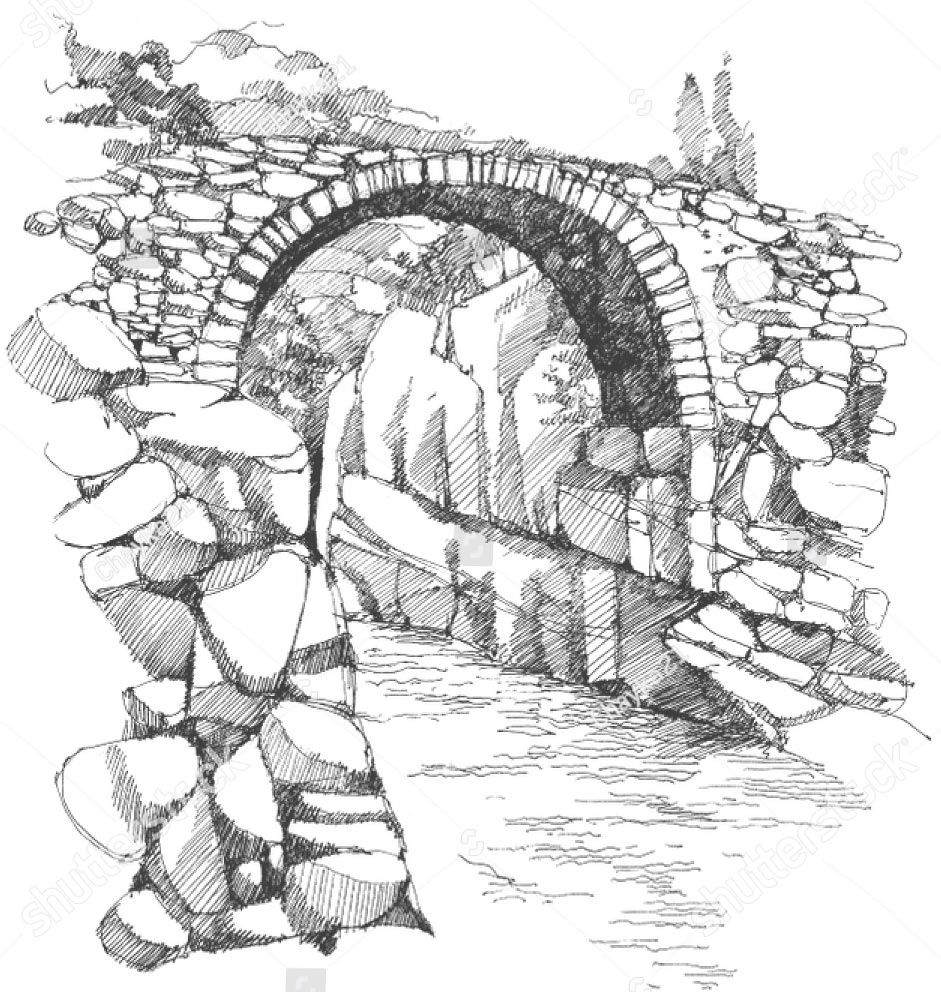
Grabado de un puente de piedra medieval

VESTIGES OF
A HISTORICAL PAST

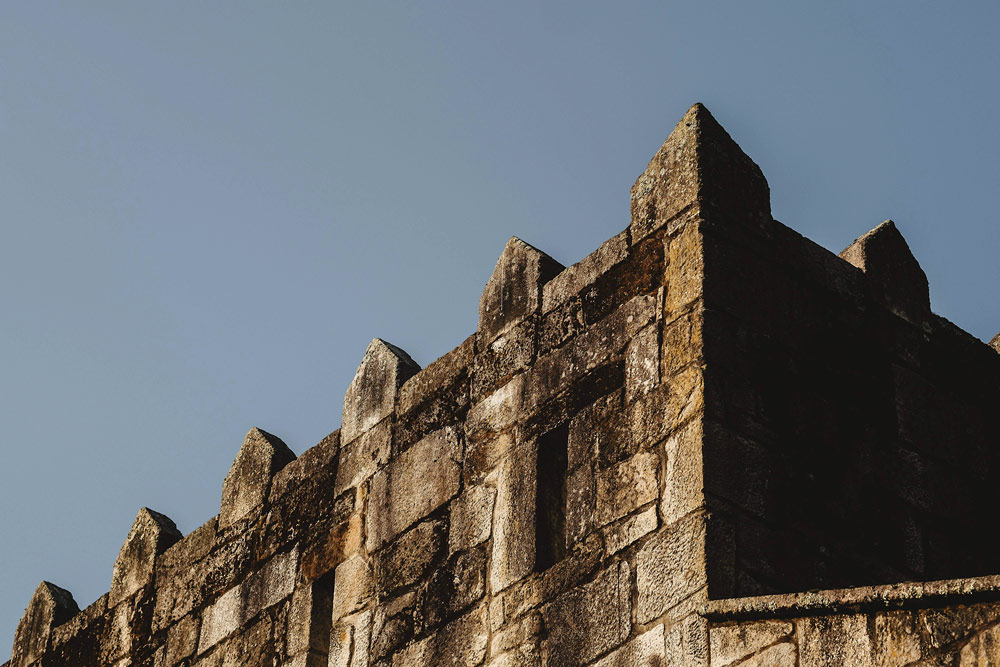
Fillaboa is one of the most extensive wine estates in Galicia, bathed in its surroundings by the rivers Tea and Miño. Próximo a la finca, existe un puente medieval y un muro de piedra de 1.600 metros que enmarca la finca

Muro de piedra centenario de la finca de Fillaboa
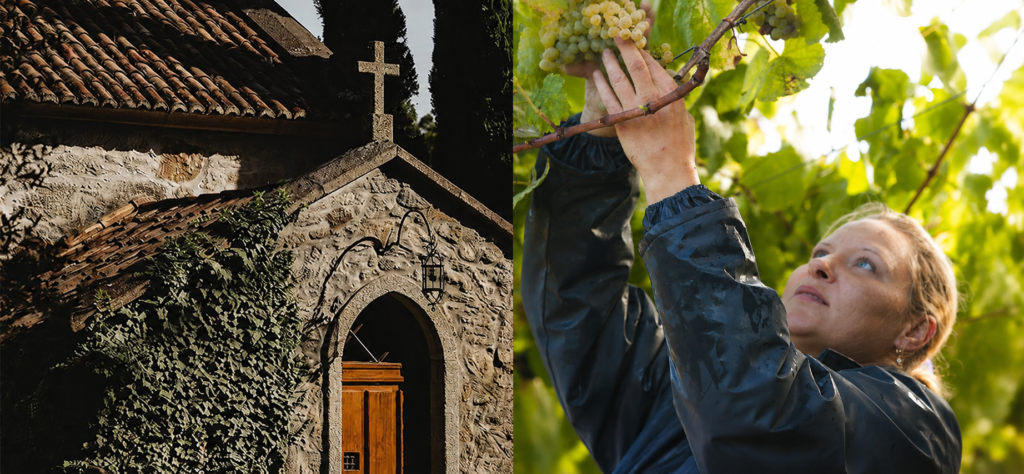
Capilla de piedra de la finca y vendimiadora recogiendo uvas albariño
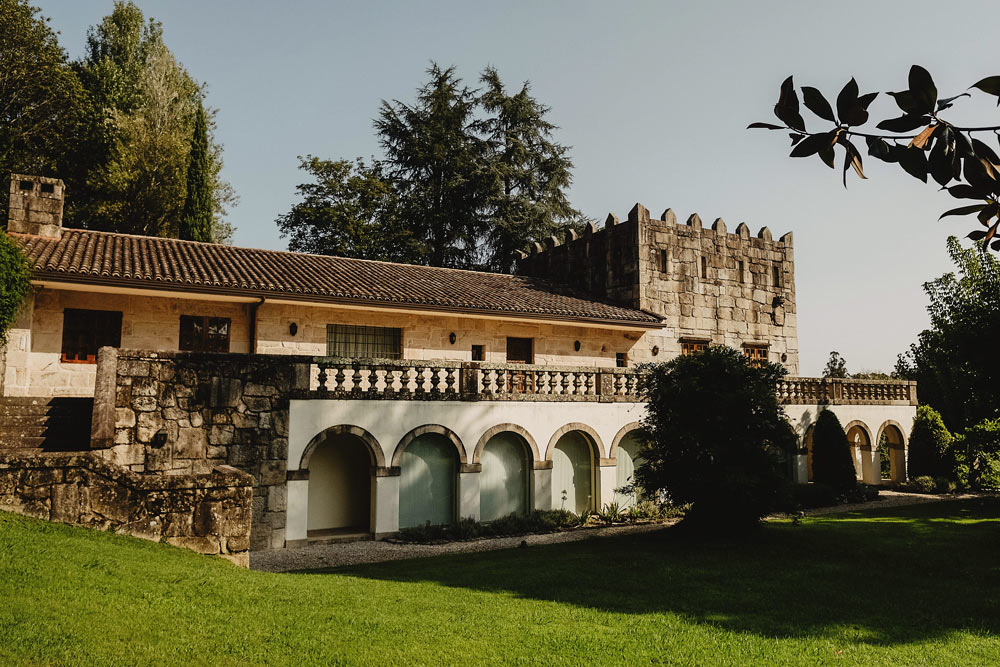
Fachada del pazo de Fillaboa con su jardín
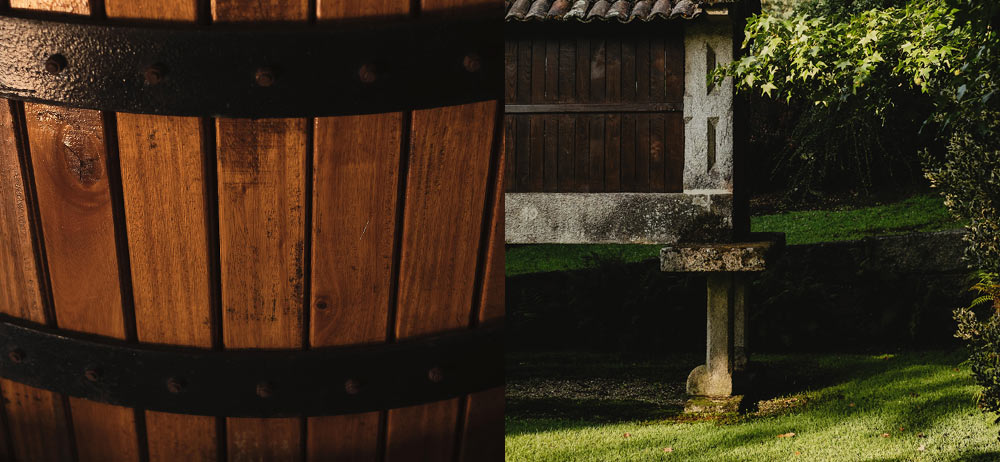
Barrica de madera junto a un hórreo tradicional en los jardines de Fillaboa
Ilustración grabada de un cangrejo

THE PAZO AND THE ART

The Pazo de Fillaboa is a small stone palace faithful to the structure of the great Galician houses. In it there are several rooms for events, meetings and tastings in a warm and welcoming atmosphere.

Ilustración grabada de una piña

THE BEAUTY OF NATURE

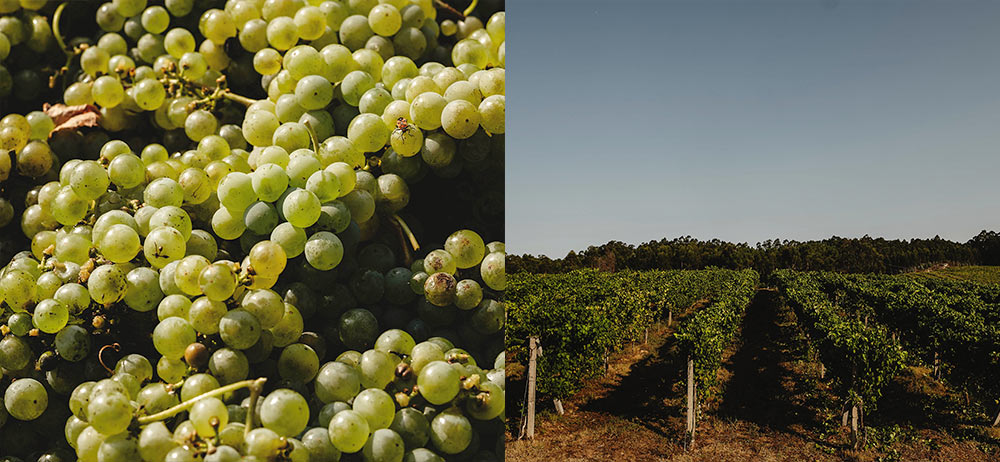
In Fillaboa nature rules. In addition to an exquisite garden of camellias, olive trees, magnolias and cork oaks, the Fillaboa vineyard is spectacular. 50 hectares of our own vineyards are divided into 12 delimited plots facing south where we find majestic vines on vines and trellises. Fillaboa está certificada como bodega medioambientalmente sostenible con el sello SWfCP.

Superficie del mar con olas
Racimos de uva albariño maduros en la viña

Awarded the title of “Best Wine Tourism Spot and Landscape in Spain”

Sello del premio Mejor Rincón y Paisaje Enoturístico de España

MASAVEU BODEGAS

Masaveu Bodegas brings together four companies in the wine sector belonging to Corporación Masaveu: Bodegas Murua, Bodegas Fillaboa, Bodegas Leda Viñas Viejas, and Pomaradas y Llagares de Sariego (Valverán), each located in a different part of our country and featuring wines, soils, and spirits that are very distinct from one another.

In 1974, under the presidency of Mr. Pedro Masaveu Peterson, the Masaveu family made its first investment in this sector with “Bodegas Murua S.A.”. Thus, the family continues in the footsteps of its predecessor, Don Federico Masaveu Rivell, who already owned vineyard plantations in the mid-19th century in Castellar del Vallés (Barcelona), where the family originated.

In its beginnings, Bodegas Murua S.A. was acquired to produce wine privately, as a result of the family’s passion and its link with the wine world. Con el fallecimiento de Don Pedro Masaveu Peterson, la presidencia es tomada por D. Elías Masaveu y Alonso del Campo, quien decide remodelar la bodega e impulsarla comercialmente con los vinos de nivel que se estaban elaborando.

It was in 1998 when the baton of the wineries was taken over by Mr. José Masaveu Herrero, who organized, restructured and began to professionalize the group of wineries. Once again, the passion and value that wine represents are what led the Masaveu family to have one of its members dedicate himself body and soul to the winery until the present day.
The wines produced by Masaveu Bodegas are known for being a benchmark of quality and an example of respect for the land. Although all the wines have their own style and a very marked personality, at Masaveu Bodegas, we try to ensure that they all share a common commitment: quality as a philosophy and standard of conduct applied to all areas and processes of the production cycle.

We believe that the high quality of a wine begins with careful control of the production process and the raw materials used—an approach that stands in contrast to mass production. That is why our winemakers are also vineyard managers, and our wineries produce wine exclusively from our own vineyards.

The use of grapes from their own vineyards and the commitment to conveying in every bottle the personality of the terroir—that is, the region from which these wines originate—thereby lending them authenticity, are the threads that connect each of these projects. Scattered throughout Spain, they form an evocative mosaic of varieties, colors, aromas, and flavors.